When meds aren't stored properly, it makes sticking to regular dosing really tough. Studies indicate around 50% of people dealing with ongoing health issues skip their pills when they just have random bottles lying around or try to keep track manually. And this problem isn't small stuff either. Missed doses lead to hospitals admitting twice as many patients compared to those who follow their regimen correctly. We see these preventable problems showing up in conditions like high blood pressure and diabetes management. Why does this happen so often? Mainly because our brains get overloaded. Without something visual or physical to remind us, keeping track of all those different medications at various times throughout the day gets complicated fast. This is particularly true for seniors who might be juggling several prescriptions at once.
Compartmentalized pill organizers reduce mental processing demands by transforming medication management from a memory-dependent task into a visual, tactile system. Clinical trials demonstrate that patients using weekly pill boxes with day/time compartments experience 37% fewer medication errors than those using traditional methods. This improvement arises because:
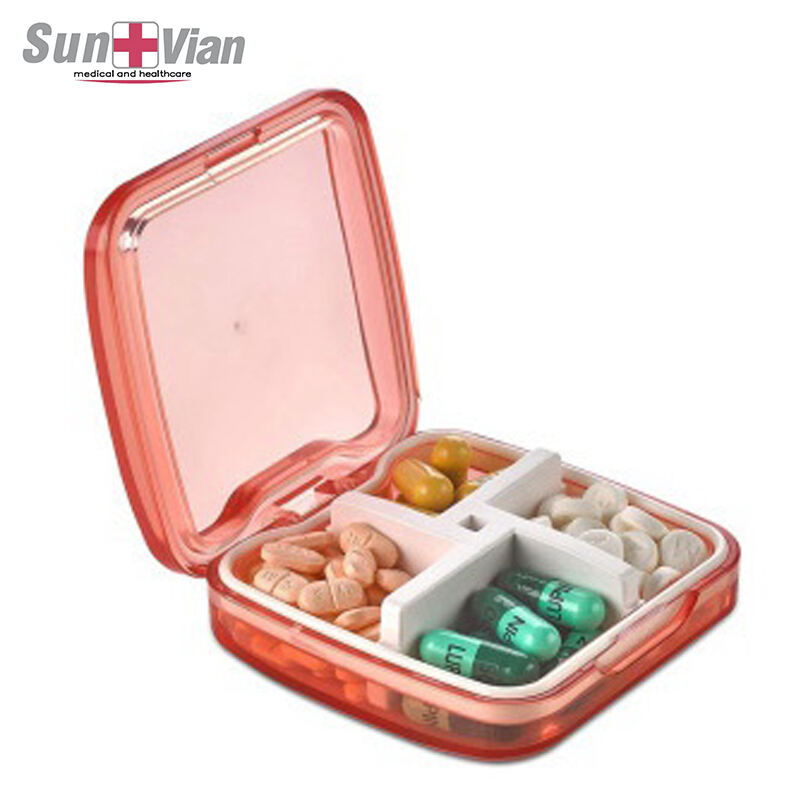
A good weekly pill box comes with those seven clearly marked sections that help keep track of medications day by day. These containers cut down on how often people need to restock their meds and naturally reduce mistakes too. Most are made from tough BPA free plastic that stands up to spills and regular handling, which makes them great for folks who need to stick with their medication over months or even years. The smaller ones fit easily into purses or backpacks thanks to those locking lids that stay shut during transit. To make things safer, it helps to write directly on those cloudy surfaces using permanent ink, plus setting aside specific days each week for refilling keeps everything running smoothly. Research looking at older adults shows these kinds of organizers actually work pretty well, cutting down errors by around 37% just like other similar systems do.
AM/PM pill boxes help avoid those frustrating timing mistakes thanks to their color coded compartments for morning and evening doses. This design is especially important for people dealing with conditions such as diabetes or high blood pressure where medication timing matters a lot. Some models come with helpful touches like textured edges for fingers, Braille dots for reading without sight, and bright label colors that stand out against dark backgrounds. The containers also have locking slides that keep everything securely closed when not in use. Studies from clinics indicate these organizers cut down on timing errors by around 40 percent among folks taking at least four different medicines each day. Regular use can actually work with our body clocks too, making sure time sensitive treatments hit their mark properly throughout the day, which means better results than just remembering to take pills on schedule.
Smart pill boxes combine Bluetooth compartments with mobile apps to help people actually stick to their medication schedules. They come with customizable alarms and visual cues that go off when it's time to take pills. The system keeps track of what's been taken and sends notifications if someone misses a dose, which is super helpful for family members keeping an eye on things. Doctors get regular reports they can look at, and studies show these smart systems lead to about 28% better adherence compared to old fashioned pill organizers for folks dealing with long term illnesses. People who struggle with memory issues or have complicated medication routines find these devices particularly useful. The automatic tracking gives real information that doctors can act on, and this tends to result in much better health results over time.
Plastic that meets FDA standards keeps chemicals stable and stops medications from breaking down or leaking out while stored away. Silicone free of BPA is much better at bending without breaking, stands up to high temperatures so it can be safely sterilized, and generally lasts way longer than regular plastic before showing cracks. Most folks find that these silicone parts hold up for at least two extra years compared to their plastic counterparts. Cleaning either material once a week with just some gentle soap and water helps keep germs at bay. Prescription containers must have those tricky-to-open safety locks according to federal rules, but OTC products don't face such strict requirements. That's why paying attention to what materials are used and reading labels carefully becomes really important when picking out the right container for medicines.
Medication packaging with big tactile tabs, magnetic closures, and openings that work with just one hand can cut down on the effort needed to get pills out by around 70% for folks dealing with arthritis. Tests with older adults show that these design improvements actually reduce medication mistakes by about 37%, which makes a real difference in how long someone can live independently without needing help. The spill proof latches are another smart addition since they stop pills from falling out when handled, something that matters a lot for both safety reasons and maintaining a sense of dignity throughout the day.
Why are pill boxes important for medication adherence?
Pill boxes provide a structured system for medication management that reduces cognitive load, minimizes medication errors, and ensures timely intake.
What are the benefits of a smart pill box?
Smart pill boxes offer app connectivity, alarms, and dose tracking which improves adherence and provides actionable health data for medical professionals.
What materials are recommended for pill boxes, and why?
FDA-compliant plastic and BPA-free silicone are recommended because they ensure safety, longevity, and regulatory compliance.
How do pill box designs accommodate individuals with arthritis?
Designs with large tactile tabs, magnetic lids, and one-handed operation make it easier for individuals with arthritis to access their medications.
 Hot News
 EN
EN