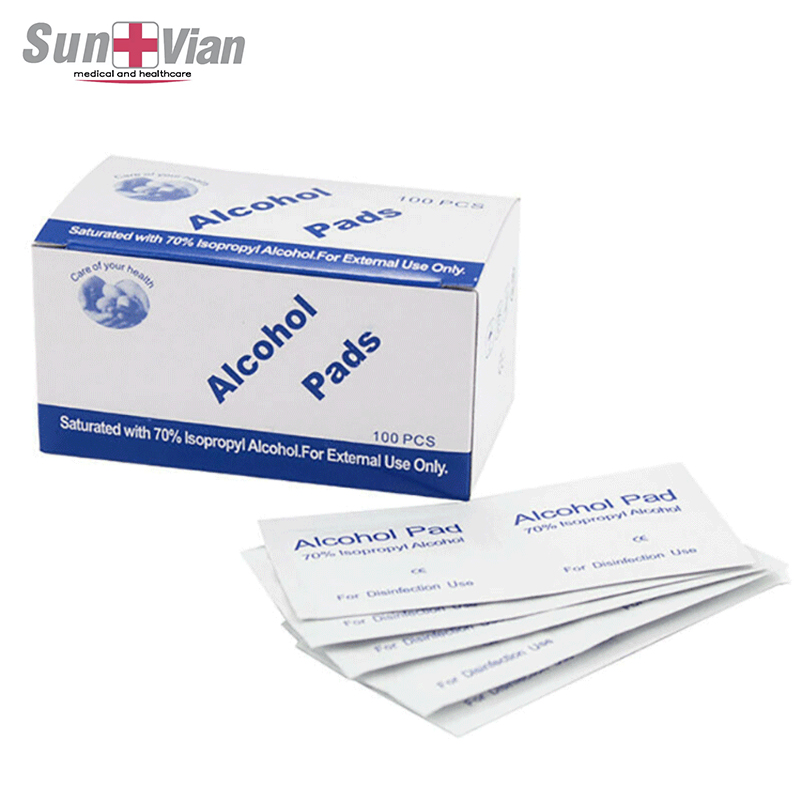
In healthcare settings, home care environments, and even daily life, infection control stands as a cornerstone of public health and personal well-being. Among the most accessible, effective, and versatile tools for preventing the spread of harmful pathogens are alcohol pads—single-use, pre-saturated sanitizing products that deliver consistent antimicrobial action with minimal effort. As a staple in medical consumables kits, clinical practices, and household first aid, alcohol pads offer a range of benefits that make them indispensable for infection control protocols across all settings. Their ease of use, rapid efficacy, and portability address critical gaps in sanitization, reducing the risk of cross-contamination and supporting safe health practices for medical professionals, caregivers, and the general public alike.
Rapid and Potent Antimicrobial Action
The primary benefit of alcohol pads for infection control is their fast-acting germicidal effect, a key feature that sets them apart from other sanitizing products. Most alcohol pads are saturated with 70% isopropyl alcohol, a concentration proven to kill 99.9% of common bacteria, viruses, and fungi within seconds of application. This rapid action is vital in healthcare scenarios—such as cleaning skin before injections, blood draws, or minor wound care—where delaying sanitization can increase the risk of infection. Unlike liquid sanitizers that may require longer drying times or precise measuring, alcohol pads deliver a pre-measured dose of alcohol, ensuring that the antimicrobial agent is applied in the optimal concentration every time. This consistency eliminates human error in sanitization, a common cause of ineffective infection control, and guarantees reliable pathogen reduction for both surface and skin disinfection.
Single-Use Design Eliminates Cross-Contamination
Cross-contamination is a major threat to infection control, and alcohol pads mitigate this risk entirely through their disposable, single-use design. Unlike reusable cloths, sponges, or spray bottles that can harbor pathogens after use, each alcohol pad is intended for one application only, then discarded. This feature is non-negotiable in medical settings, where sanitizing tools themselves can become a vector for the spread of germs between patients, medical equipment, and healthcare workers. For home care, single-use alcohol pads are equally valuable: they eliminate the need to clean and store reusable sanitizing tools, reducing the chance of accidental contamination in households with children, elderly family members, or individuals with compromised immune systems. The disposable nature also streamlines waste management, as used pads are small, lightweight, and require no special disposal protocols in non-hazardous settings.
Portability and Versatility for On-the-Go Infection Control
Alcohol pads are compact, lightweight, and individually wrapped, making them ultra-portable for infection control in any environment—from hospital wards and clinical labs to travel, outdoor activities, and everyday errands. Individually sealed packaging preserves the alcohol concentration, ensuring that each pad remains effective until use, even when stored in first aid kits, medical bags, purses, or pockets. This portability extends infection control beyond fixed healthcare settings, allowing for immediate sanitization of small surfaces (e.g., medical device touchpoints, doorknobs, or phone screens) and skin whenever needed. Their versatility further enhances their value: alcohol pads are suitable for cleaning small medical instruments, preparing skin for minor medical procedures, sanitizing fingertips before handling wound care supplies, and even disinfecting small household items. This all-in-one functionality makes them a cost-effective addition to any infection control toolkit, replacing the need for multiple specialized sanitizing products.
Cost-Effective and User-Friendly Infection Control
For healthcare facilities, home care providers, and individuals, alcohol pads offer a cost-effective infection control solution with no steep learning curve. As an affordable medical consumable, they are available in bulk quantities, reducing per-unit costs for large-scale use in hospitals, clinics, and care homes. Unlike complex sanitization equipment that requires training, maintenance, or expensive refills, alcohol pads are intuitive to use: simply tear open the packaging, wipe the target area thoroughly, and discard the pad. This user-friendliness ensures that infection control protocols are followed consistently, even by untrained caregivers or individuals, as there is no complex application process to master. Additionally, their small size and minimal storage requirements make them ideal for facilities with limited space, further adding to their practicality and cost efficiency.
Conclusion
Alcohol pads are a quiet workhorse in infection control, offering rapid, reliable, and convenient pathogen reduction across healthcare, home care, and daily life. Their fast-acting antimicrobial power, single-use design, portability, and cost-effectiveness address the core challenges of infection prevention—cross-contamination, inconsistent sanitization, and limited access to effective tools. As a fundamental medical consumable, they support rigorous infection control protocols for medical professionals while empowering individuals to take proactive steps to protect their health and the health of others. In a world where preventing the spread of infection is more important than ever, alcohol pads remain an essential, accessible tool that delivers consistent results with every use.