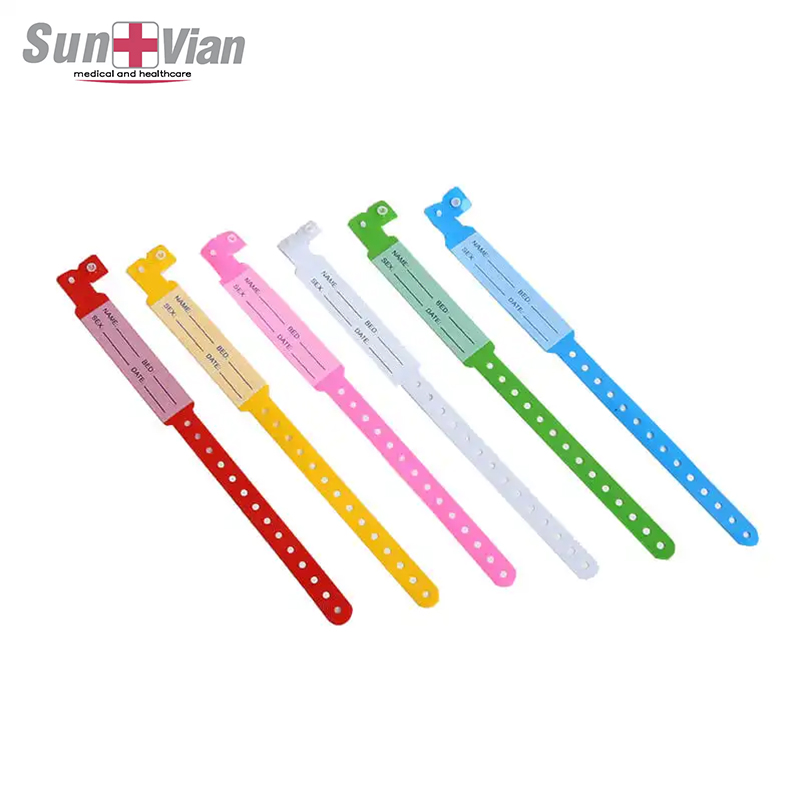
Why Adjustable Patient ID Bands Are Critical for Modern Patient Safety
Rising Misidentification Risks in Acute Care and the Role of Poor Band Fit
Getting the wrong patient information in hospital care can literally be deadly, and poorly fitting wristbands play a big role in this preventable problem. Standard sized bands keep slipping off, twisting around, or getting covered up for people with small wrists, swelling issues, or changing body sizes. This makes those barcode labels impossible to scan when they really need them most during things like giving meds or drawing blood samples. When these wristbands turn sideways from scanners, doctors and nurses tend to fall back on typing everything manually, which studies show triples the chance of making mistakes. Certain groups face even bigger dangers here infants, elderly folks, anyone hooked up to IV drips. The stiff plastic bands either cut off blood flow completely or just pop right off, leaving no way to identify who is who in fast paced areas like emergency rooms and intensive care units where both quick action and correct info matter above all else.
How Adjustable Design Prevents Scan Failures and Ensures Consistent Wear Compliance
Adjustable patient ID bands resolve sizing compromises through ratcheting closures or engineered stretch materials that maintain secure, consistent contact with the wrist—without constriction. This design directly prevents three core failure points:
- Barcode positioning: A stable fit keeps scannable zones reliably aligned with readers, reducing failed scan attempts by 74% in validated clinical use
- Durability: Controlled tension minimizes premature wear, adhesive failure, or fraying—even over multi-day stays
- Patient tolerance: Customizable fit cuts voluntary band removal by 63% compared to rigid alternatives
By accommodating anatomical diversity and weight fluctuations without replacement, adjustable bands sustain uninterrupted identification integrity. Real-world deployments confirm they support 99.1% first-scan success rates in barcode medication administration systems—enabling a true closed-loop safety chain from admission through discharge.
Adjustable Patient ID Bands vs. Traditional Wristbands: Key Clinical and Operational Differences
Fit, Function, and Flexibility: Anthropometric Adaptability Across Diverse Populations
Standard wristbands just don't work well for people of all ages and sizes. Kids, elderly folks, and patients who are very overweight often experience problems with traditional bands that either cause discomfort, slip off easily, or damage their skin over time. Hospital data from 2024 shows around one out of every four long stay patients suffer some sort of skin injury related to these rigid designs. The solution lies in adjustable bands that have special tension controls. These keep the band securely in place but still let the wrist move naturally and accommodate swelling when needed. What makes them really effective is how they can adapt to different wrist sizes. This means medical staff can scan barcodes properly and visually check IDs without constantly having to readjust or replace the bands, which happens way too often with regular wristbands that sit awkwardly on someone's arm.
Integration with EHR and Barcode Scanning Systems Without Workflow Disruption
The newest adjustable wristbands come with scannable areas designed to work right away with all those hospital scanners already in place, so no extra equipment is needed at all. What makes them special is how they stay readable even when patients move around, which hospitals have tested extensively. These bands manage to get scanned on the first try about 99.8% of the time, way better than the old vinyl ones that only hit around 82%. Another big plus is that they actually store patient information inside them, which automatically connects to electronic health records systems. This means nurses don't have to manually enter data every time something changes. Hospitals that switched to these RFID wristbands saw a drop in mix-ups where patients got confused with others by about 30%, and admissions took 15 whole minutes less per person. Plus, everything still fits within what the Joint Commission requires without messing up how doctors and nurses do their jobs day to day.
Proven Safety Outcomes and Real-World Impact of Adjustable Patient ID Bands
Reduced Near-Miss Events and Improved Identification Accuracy at MetroHealth System (2023)
In 2023, MetroHealth System which runs a big network of healthcare facilities conducted a study on adjustable patient ID bands. What they found was pretty impressive actually these bands cut down near misses by around 30%. When they switched from those stiff old bands to the adjustable ones, problems with barcode scans plummeted by nearly 90%. This made a huge difference for getting the right meds to patients safely. Nurses and other staff noticed they didn't have to replace bands as often because they kept slipping off or causing discomfort. That's a big deal since these issues were really common in busy hospital settings where people are constantly moving around. Looking at the bigger picture, similar improvements are happening across the country. Hospitals that adopted these flexible identification systems tend to see about half as many mistakes related to wristbands each year compared to those still using traditional methods.
Enhanced Skin Integrity and Patient Satisfaction Compared to Rigid Alternatives
Studies indicate that adjustable wristbands cut down on skin problems like pressure sores and irritation by around half compared to those old fashioned vinyl bands most places still use. The fact that they can be resized makes all the difference when patients experience swelling changes typical during IV treatments or in intensive care units, which helps protect their skin from damage. According to recent patient feedback, roughly 9 out of 10 people find the adjustable versions much more comfortable to wear for long periods. Hospitals report seeing far fewer cases where patients refuse to wear identification bands, especially among kids and seniors, which keeps everyone properly identified at all times. All told, these benefits address two major concerns at once keeping skin healthy while making sure IDs stay clearly visible throughout hospital stays without having to choose between one benefit or another.
FAQ Section
Q: What are adjustable patient ID bands?
A: Adjustable patient ID bands are wristbands with ratcheting closures or stretch materials that fit securely on a patient's wrist to ensure proper identification without causing discomfort or falling off.
Q: How do adjustable bands prevent patient misidentification?
A: Adjustable bands maintain a secure fit that keeps barcode zones aligned with scanners, reducing scan failures and ensuring accurate patient identification.
Q: Can adjustable ID bands accommodate swelling or changes in wrist size?
A: Yes, adjustable bands can accommodate swelling or changes in wrist size, providing consistent contact without needing replacements.
Q: Are adjustable bands compatible with electronic health record systems?
A: Yes, adjustable bands integrate seamlessly with electronic health record (EHR) systems, storing patient information and minimizing manual data entry.