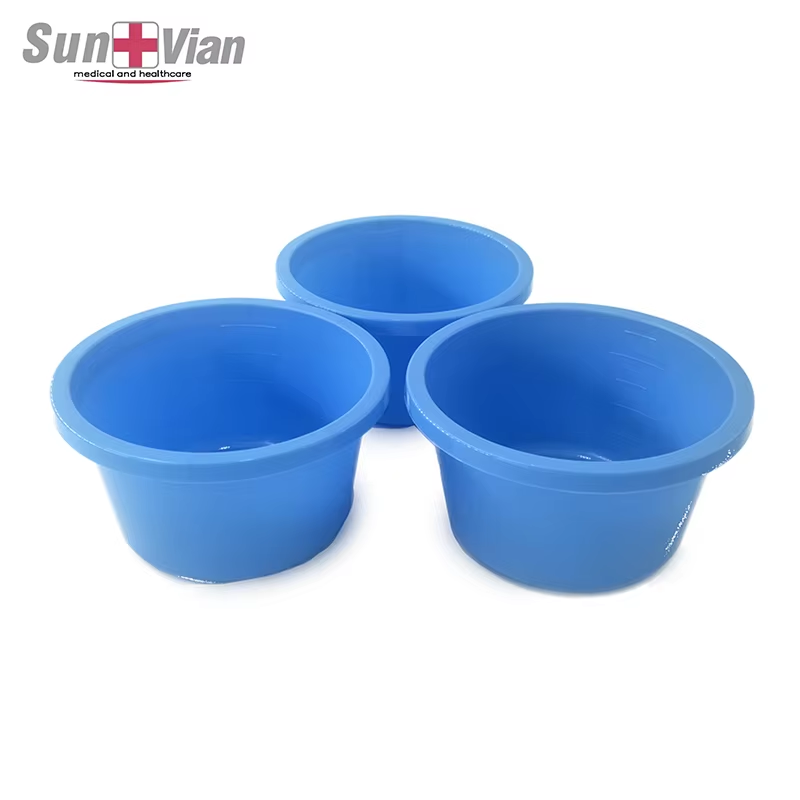
Material Safety and Regulatory Compliance for a High Quality Disposable Bowl
BPA-Free, PFAS-Free, and Food-Grade Certification (FDA, EU, UK)
Good quality disposable bowls actually get rid of those nasty endocrine disruptors we all hear about now BPA and PFAS. These chemicals can cause serious health problems even when people are exposed to tiny amounts over time. Companies that make safe products check off several important regulations for food contact materials. They need to follow FDA rules in the US, the European Union's plastic regulations from 2011, and special guidelines set after Brexit in the UK market. To prove their stuff is safe for food, independent labs run tests where they measure how much chemicals might migrate into food. They do this using things like 3% acetic acid as a stand-in for actual foods, and test under temperatures and times similar to what happens in real life situations. All this testing makes sure nothing bad seeps into our food when we use these bowls normally.
Odorless Performance and Leach Resistance: Validated Hot Water & Oil Tests
Certification alone isn’t enough—functional validation proves real-world safety and performance. Premium bowls undergo hot water (212°F) and oil (180°F) immersion tests for over two hours. Passing benchmarks include:
| Test Metric | Pass Standard | Failure Risk |
|---|---|---|
| Odor Transfer | Zero detectable scent | Flavor contamination in foods |
| Grease Leaching | <0.5% weight change | Structural collapse & seepage |
| Oil Resistance | No surface degradation | Bowl disintegration during use |
Independent labs validate results using GC-MS analysis to detect trace migration—ensuring both regulatory alignment and functional integrity.
Third-Party Certifications That Verify a High Quality Disposable Bowl
BPI, CMA, and TÜV Austria: What Each Confirms About Compostability and Safety
Independent certifications serve as proof that materials can actually break down safely over time. The BPI certification means a product meets ASTM D6400 standards, so it should fully decompose in industrial composting facilities within around six months without leaving behind harmful substances. CMA goes one step further by checking how well items actually break apart in working compost operations, making sure they fall apart properly when mixed into the compost pile. TUV Austria offers two different compost certifications too. Their INDUSTRIAL version checks against EN 13432 requirements for commercial composting, while their HOME certification specifically looks at whether something will completely vanish in a regular home compost bin within about a year. What's important across all these programs is that they test for dangerous heavy metals and other long-lasting chemicals, giving consumers confidence that nothing toxic remains after decomposition.
PP5 Labeling, FDA 21 CFR 177.1520, and EU Framework Alignment
When looking at non compostable alternatives, PP5 labels point to polypropylene bowls that can actually be recycled through certain city programs. The FDA's 21 CFR 177.1520 standard gets verified by running tests where they check if contaminants move into food stuffs. These tests show migration stays below half a part per billion even when exposed to heat and oils. Across Europe, Regulation EC 1935/2004 sets tougher limits too 10 micrograms per square decimeter for heavy metals and 60 milligrams per kilogram for all those non volatile substances. This means products meet safety standards worldwide whether they hold something as sharp as vinegar based dressings or get used for steaming hot soups.
Functional Performance of a High Quality Disposable Bowl
Leak Resistance, Structural Integrity, and Rim Reinforcement Under Load
Disposable bowls need to stand up to real world pressures if they're going to work properly. The rims on good quality bowls are usually over 1.5 mm thick which stops them from bending when stacked with other bowls weighing around 15 kg or so these days according to what the industry tests show (as of 2023). We know they won't leak because there are special tests approved by the FDA where they fill them with hot soup and leave them for at least half an hour without any seams coming apart. What makes these bowls sturdy? Well, most have two walls inside to spread out any knocks, special coatings made from cross linked polymers that keep oil from getting through, and those little ridges on the bottom help take the shock when something bumps into them. All this means they stay stable whether being moved around or used with thick soups and sauces that tend to slosh around.
Microwave-Safe Operation and Sustained Heat Resistance (Up to 220°F)
To work properly in microwaves, containers need to handle heat without breaking down and stay safe for food contact. Bowls that pass certification tests can survive standard 5 minute runs at 1000 watts according to lab results from third party testers. Better quality options often feature special PLA coatings designed to keep their shape even when exposed to temperatures around 220 degrees Fahrenheit, which is what most hot soups and cooking oils reach. Rigorous testing shows these materials don't release harmful plastics into greasy foods, spread heat evenly across surfaces so there aren't dangerous hot spots, and work well with steam escape features. This means operators don't have to worry about pressure building up inside containers during heating cycles, making them reliable choices for busy commercial kitchens day after day.
Sustainability Claims vs. Real-World Biodegradability of a High Quality Disposable Bowl
Bagasse, Bamboo Fiber, and PLA: Degradation Timelines, Industrial vs. Home Composting Realities
The way plant based materials break down in reality can be all over the map when it comes to biodegradability. Take bagasse for instance it usually disappears within 30 to 90 days in those big industrial composting operations, but if someone tries to compost it at home, they're probably looking at waiting half a year or longer. Bamboo fiber will actually decompose in regular backyard compost piles, though most people find it takes well over 180 days for complete breakdown. And let's not forget about PLA bioplastics labeled as biodegradable on packages, these only really start breaking down when placed in specialized facilities with temperatures above 60 degrees Celsius, lots of moisture, and specific microbes present. If those conditions aren't met, PLA just sits there like any old plastic would. According to Greenpeace research from 2025, nearly two thirds of what's marketed as compostable packaging simply won't decompose properly without access to those controlled environments. Real sustainable choices depend on labels that tell consumers exactly what happens to materials once they leave our hands and match up with what kind of waste management systems exist where we live.
FAQ
What certifications ensure a disposable bowl is safe for food use?
Certifications such as BPA-Free, PFAS-Free, FDA, EU, and UK certifications ensure that the disposable bowl is safe for food use, confirming it does not contain harmful chemicals and complies with food-grade standards.
How is the leak resistance of disposable bowls verified?
Leak resistance is verified through industry-standard tests mandating that these bowls withstand conditions such as being filled with hot soup for at least 30 minutes without any seams coming apart.
What is the importance of compostability certifications like BPI, CMA, and TÜV Austria?
These certifications verify that disposable bowls can safely decompose within a specified timeline in industrial or home composting conditions, ensuring they break down without leaving harmful substances behind.