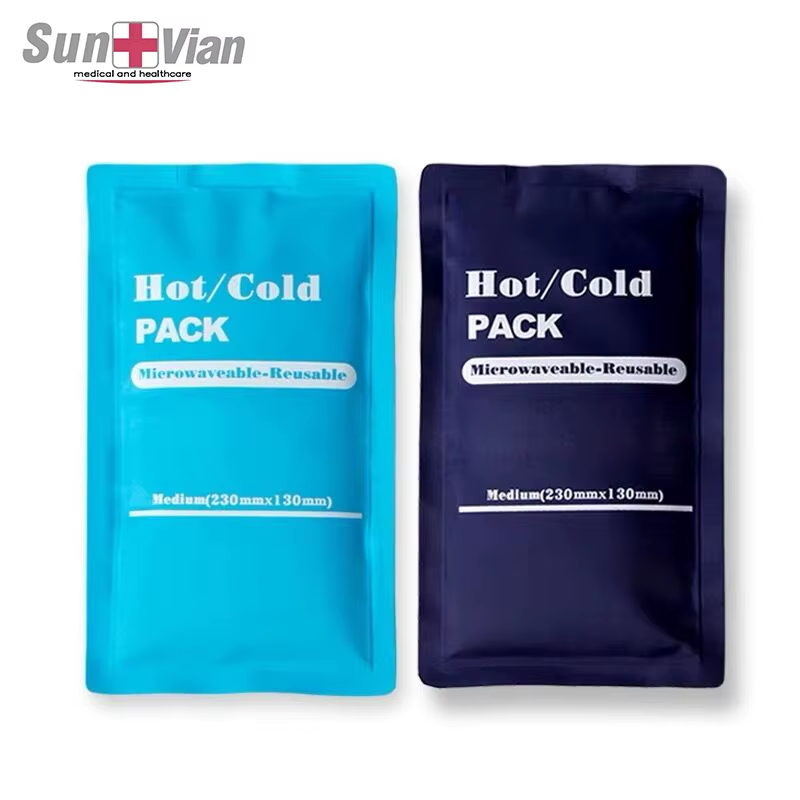
How Hot Cold Pack for Sports Recovery Works: Physiology and Mechanisms
Cold Therapy’s Anti-Inflammatory Action in Delayed Onset Muscle Soreness (DOMS)
When cold therapy is applied, it causes blood vessels to narrow, which cuts down on blood flow to the area and lowers the body's metabolic needs there. This helps control inflammation, stops fluid buildup, and makes pain feel less intense because it numbs the nerves at the site. If used within about two days after working out, studies show swelling can drop by around 40%. One such study was published back in 2017 in the Journal of Athletic Training. What happens physiologically? Well, cold slows down how cells work so they don't get damaged from lack of oxygen later on. It also keeps histamines from being released too much during those initial inflammation stages. And finally, it affects certain nerves that control muscle contractions, helping muscles relax instead of tightening up reflexively.
Heat Therapy’s Enhancement of Collagen Flexibility and Chronic Stiffness Reduction
When someone applies heat therapy, blood vessels tend to widen, which means more oxygen rich blood gets delivered to those tight or damaged areas in the body. The warmth actually makes collagen fibers stretch out more than they normally would. This stretching is really important when trying to get back normal movement after things like long term tendon issues or stiffness that comes from being immobilized too long. Research shows that people often see around 15 to 20 percent better joint movement when they consistently apply heat properly. How does this work? Well, heat helps relax overly tight muscles by reducing what's called gamma loop activity. It also breaks up those annoying pain-spasm cycles because it numbs some of the sensory nerves. Plus, locally, metabolism speeds up so waste products like lactic acid and other inflammation stuff get cleared away faster from the area.
Contrast Therapy: Vascular Oscillation and Neurovascular Adaptation Over Time
When we alternate between hot and cold treatments, our blood vessels shrink and expand rhythmically, creating what's sometimes called a "vascular pump" effect. This process actually helps improve how well our tiny blood vessels work and supports better lymphatic drainage too. Regular sessions of this kind of treatment seem to train our body's temperature regulation systems, which makes them respond more effectively over time. For athletes specifically, research shows that those who stick to a proper contrast therapy routine recover about 30 percent faster after intense workouts than people who just rest passively. After about six weeks of consistent practice, there are noticeable improvements in certain markers related to blood vessel adaptability. Plus, many report being able to tolerate heat and cold better as their bodies adjust. Scientists believe this happens because our nervous system gets used to these changes at both the spine level and in the brain itself.
Critical Safety Note: Getting the timing right matters when it comes to thermal treatments. Cold therapy works best in the early stages of inflammation, typically within those first three days after injury. Heat should generally wait until later phases since applying it too soon can actually make things worse. Leaving ice on for longer than about 72 hours might interfere with how muscles repair themselves at a cellular level, potentially slowing down recovery time. Before trying out any new approach to temperature-based recovery, it's wise to talk with someone who knows their stuff in sports medicine. These professionals can help determine what makes sense based on individual circumstances rather than just following general guidelines blindly.
Optimal Hot Cold Pack for Sports Recovery Protocols
Timing, Duration, and Frequency: Evidence-Based Guidelines for Acute vs. Chronic Use
When dealing with sudden injuries like ankle sprains, it's best to start applying cold therapy right away. Aim for about 15 to 20 minutes each time, then wait around two hours before doing another session during those first critical 48 hours. For ongoing stiffness issues or when getting ready for physical activity, moist heat works wonders. Set the temperature between 40 and 45 degrees Celsius (which is roughly 104 to 113 Fahrenheit) and keep it on for twenty minutes. This helps loosen up tight tissues without causing any extra inflammation. If someone has delayed onset muscle soreness though, they should limit cold treatments to just the first three days after injury. Doctors are now pointing out that keeping things too cold for too long might actually interfere with natural healing processes by affecting important growth factors in the body.
Contrast Therapy Cycles: Temperature Ranges, Interval Ratios, and Cumulative Dosage Safety
Effective contrast therapy uses cold at 10–15°C (50–59°F) and heat at 38–40°C (100–104°F). Recommended parameters are:
- Interval ratio: 1:1 (e.g., 3 min cold / 3 min heat) for acute-phase management; 3:1 (e.g., 3 min cold / 1 min heat) for chronic stiffness or neuromuscular re-education
- Cycle limit: No more than 3 full cycles per session, with a maximum of 4 sessions weekly
- Cumulative safety: Total daily cold exposure should not exceed 15 minutes to avoid peripheral nerve irritation. Always place a dry towel or barrier cloth between skin and pack to prevent thermal injury.
Practical Implementation: Choosing and Using Hot Cold Pack Tools Safely at Home
Gel Packs, Ice Baths, and Contrast Baths—Effectiveness, Accessibility, and Athlete Suitability
Gel packs offer targeted cooling or heating that works great when dealing with specific sore spots or during travel situations. Ice baths at around 15 degrees Celsius or lower can help reduce inflammation throughout the body, which is why many top athletes use them after competitions. The catch? They need someone who can handle the cold, enough room to fit in, and generally require someone watching over things. Contrast baths work differently though they alternate between hot water around 38 to 40 degrees and then back to cold. This method helps blood vessels expand and contract, speeding up recovery time. Some research on college level athletes found those using contrast baths recovered about 27 percent better than just resting without any treatment. Here's how these options stack up against each other:
| Modality | Effectiveness | Accessibility | Best For |
|---|---|---|---|
| Gel packs | High (localized) | High | Minor strains, DOMS |
| Ice baths | Very high (systemic) | Moderate | Post-competition recovery |
| Contrast baths | High (neurovascular adaptation) | Low | Chronic stiffness, rehab |
Skin Protection, Contraindications, and Long-Term Thermal Modality Risk Mitigation
It's really important to put something between the skin and any heating device when using thermal treatments. A simple thin towel works great for this purpose and helps protect against serious issues like frostbite, burns, or damage to the outer layer of skin. Most experts recommend keeping each session short around 15 to 20 minutes max. Then wait at least an hour before trying again, maybe even longer depending on how sensitive the area is. People who suffer from conditions such as peripheral neuropathy, Raynaud's disease, poor blood flow problems, or those with cuts or abrasions should probably skip thermal treatments altogether. For anyone concerned about what might happen over time with repeated use, taking these precautions seriously makes all the difference in avoiding complications down the road.
- Restrict use to no more than three sessions per day
- Never apply packs while sleeping
- Monitor skin for pallor, mottling, or prolonged numbness
If pain persists beyond 5–7 days or worsens with treatment, discontinue use and seek evaluation from a physical therapist or sports medicine physician to rule out structural pathology.
Frequently Asked Questions
What is the main benefit of using hot and cold therapy?
The main benefits of using hot and cold therapy are reducing inflammation, easing pain, enhancing collagen flexibility, and accelerating recovery through vascular oscillation.
When should I use cold therapy?
Cold therapy is most effective during the initial stages of inflammation, typically within the first three days after an injury.
Can heat therapy be applied right after an injury?
It is advised to wait until the later phases of recovery to apply heat therapy, as applying it too soon can worsen inflammation.
How long should a session of contrast therapy last?
A session of contrast therapy should not exceed 3 full cycles per session with a maximum of 4 sessions weekly.
What precautions should be taken with thermal treatments?
Ensure a barrier between skin and pack, limit sessions to 15–20 minutes, avoid sleeping with packs, and consult a professional for advice.