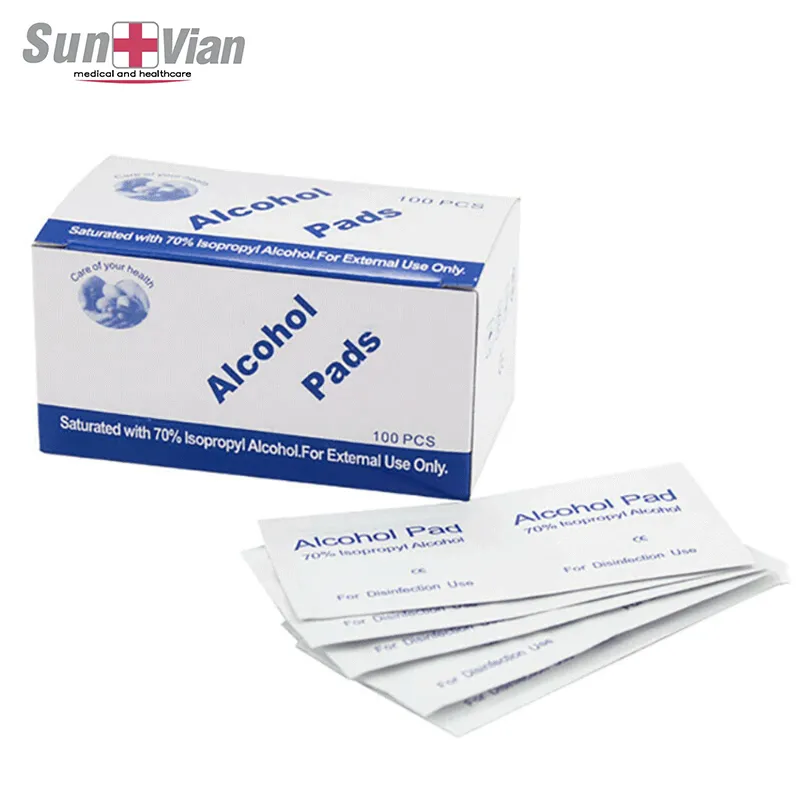
How Alcohol Pads Prevent Infections in Clinical Settings
Sterile alcohol prep pads for injections, blood draws, and minor procedures
Alcohol pads are essential for disinfecting skin before invasive clinical interventions. Their use reduces bacterial load by up to 95% at injection sites, creating a critical barrier against pathogens. Proper application involves:
- Vigorously rubbing the skin for 10–15 seconds
- Allowing the area to air-dry completely
- Using a single pad per procedure to prevent cross-contamination
Following proper protocols matters a lot when it comes to things like drawing blood, placing IVs, or putting in stitches because any break in the skin opens the door to infections. Both the CDC and WHO stress how important it is to clean the skin with alcohol before these procedures. They call this basic step one of the main defenses against hospital-acquired infections. These are serious problems affecting about 1 out of every 31 people who end up in hospitals each year. Getting rid of germs on the skin surface really makes a difference in keeping patients safe from preventable illnesses during medical treatments.
Proven efficacy of 70% isopropyl alcohol against SARS-CoV-2, norovirus, and multidrug-resistant bacteria
Medical-grade alcohol pads typically contain 70% isopropyl alcohol (IPA), a concentration validated for rapid, broad-spectrum pathogen inactivation. Research confirms this formulation eliminates 99.9% of microbes within 30 seconds by disrupting lipid membranes and denaturing proteins. A 2023 peer-reviewed study demonstrated its effectiveness across key pathogen classes:
| Pathogen Type | Reduction Rate | Contact Time |
|---|---|---|
| Enveloped viruses (e.g., SARS-CoV-2) | 99.99% | 15 seconds |
| Non-enveloped viruses (e.g., Norovirus) | 99.9% | 30 seconds |
| MDROs (multidrug-resistant organisms) | 99.5% | 45 seconds |
The 70% concentration strikes an optimal balance: sufficient water content enables protein denaturation and slows evaporation, extending contact time—unlike higher concentrations (>90%), which evaporate too quickly to ensure reliable microbial kill.
Alcohol Pads for Everyday Sanitation: Safe, Fast Disinfection at Home and On the Go
Alcohol wipes work pretty well for keeping skin clean during everyday medical stuff. When dealing with small cuts or putting on bandages, giving the area a quick wipe really does stop bacteria from getting in. Think about it this way: dirty little wounds are actually responsible for around 11% of skin infections picked up outside hospitals according to JAMA Dermatology last year. People who manage diabetes know this too. Swabbing fingers with alcohol before checking blood sugar levels cuts down on messed up readings caused by dirt or oils on the skin by about two thirds, as Diabetes Care reported in 2022. The same goes for those fancy glucose monitors stuck to the body or heart rate trackers. A good clean spot means less redness and fewer problems with buildup over time. Plus, these little alcohol pads fit right in pockets or purses, so they come in handy when someone needs to give themselves insulin while out running errands or setting up equipment for telehealth appointments at home.
When it comes to keeping everyday surfaces clean, we're talking about things like computer keyboards, smartphones, doctor's stethoscopes, and all sorts of medical gear found around the house. These pre-moistened alcohol wipes work great for getting rid of germs without making a mess, especially good for delicate electronics and stuff people touch all day long. Research shows that when using 70% isopropyl alcohol, most viruses including SARS-CoV-2 get deactivated pretty quickly on surfaces after just 30 seconds according to Applied Microbiology journal from last year. And if someone regularly cleans their keyboard or phone screen with these pads, they can cut down on bacteria by almost 95%, as reported in the Journal of Environmental Health back in 2022. For folks taking care of family members at home, the Centers for Disease Control actually suggest using alcohol wipes on certain medical tools like stethoscopes, temperature guns, and those masks used with CPAP machines, but only if the materials won't be damaged by alcohol contact. What makes these pads so effective? The special fabric inside stays wet evenly across the surface without leaving behind much residue, plus the packaging keeps everything sterile right up until the moment someone opens it for the first time.
What Makes an Alcohol Pad Effective? Key Quality Factors Explained
Optimal 70–75% alcohol concentration, saturation consistency, and non-woven fabric performance
Good alcohol pads depend on three main things working together: getting the alcohol concentration right, making sure they're soaked evenly throughout, and using fabrics that actually work well for their purpose. Around 70 to 75 percent alcohol seems to be where things really click in terms of killing germs. Anything below that just isn't strong enough, while anything above evaporates so fast there's not enough time for it to do its job properly. When pads aren't saturated consistently, some parts end up dry spots that let bacteria survive. Most manufacturers have switched from regular cotton gauze to these special non-woven fabrics because they hold more liquid, release it at a better rate, and don't leave behind lint particles that can contaminate clean areas during medical treatments. The industry standards (ASTM F2766) test how much liquid these pads can hold and how tough they are, which is necessary if they want approval as actual medical devices from the FDA.
Isopropyl vs ethyl alcohol: antimicrobial spectrum, evaporation rate, and skin tolerance
When comparing isopropyl alcohol (IPA) to ethyl alcohol (ethanol), there are some real differences worth noting in how they work clinically. IPA tends to kill a wider range of viruses, especially those tough non-enveloped ones like norovirus that can be so hard to eliminate. It also works better against fungal spores and stubborn bacteria strains including MRSA and VRE. Ethanol does have one advantage though it evaporates about 30 percent quicker than IPA, which means it doesn't sit on surfaces long enough sometimes to properly disinfect them. That fast evaporation rate actually increases the chances of leaving behind harmful microorganisms. Although ethanol might be kinder to sensitive skin types, most healthcare professionals still prefer IPA because it's generally cheaper, stays stable longer, and has been thoroughly tested and recommended by major health organizations like APIC and the Centers for Disease Control and Prevention.
Selecting and Using Alcohol Pads Responsibly Across Care Environments
When looking for good quality alcohol pads, there are really three main things to check first. The alcohol content should be around 70 to 75 percent either isopropyl alcohol or ethanol works fine. The material matters too - non woven fabric is better because it leaves less lint behind and soaks up the alcohol evenly throughout. And don't forget about the expiration date printed clearly on the packaging. Once these pads pass their shelf life, they start losing effectiveness pretty quickly as the alcohol evaporates over time. For storage, keep those unopened packs somewhere cool and dry, definitely not near any direct sunlight or heat sources. This becomes particularly important when storing them in car emergency kits or places exposed to harsh weather conditions. Temperature changes can speed up how fast these products break down, which nobody wants when they need something reliable in an actual emergency situation.
When working in clinical settings, healthcare professionals should use one antiseptic pad per site, applying firm circular motions for about 15 to 30 seconds following World Health Organization guidelines just before inserting needles. At home for things like checking blood sugar levels, simply clean the fingertip gently once then let it dry completely without touching it again so there's no irritation or problems with how the test strips work. Used pads need to go away right after use. In hospitals and clinics, dispose according to local biohazard rules. Regular folks should throw them into sealed garbage bags instead of flushing down toilets since these pads can block pipes and mess up water treatment plants. Stock management matters too especially where people come and go frequently like schools, nursing facilities, and doctor offices outside hospitals. Always use products that expire soonest first to keep everything working properly and cut down on health risks from old supplies sitting around.
FAQ
- What is the purpose of an alcohol pad? Alcohol pads are used for skin disinfection before clinical procedures, reducing bacterial load by up to 95% at the application site.
- Why is 70% isopropyl alcohol preferred in medical-grade pads? 70% isopropyl alcohol strikes a balance between rapid disinfection and slower evaporation, making it effective for broad-spectrum pathogen inactivation.
- Can alcohol pads be used for everyday surface sanitation? Yes, alcohol pads can disinfect surfaces like keyboards and smartphones and are effective in reducing microbial presence.
- What factors affect the effectiveness of alcohol pads? Alcohol concentration, saturation consistency, and non-woven fabric performance are key factors determining the quality of alcohol pads.
- Which is better: isopropyl or ethyl alcohol? Isopropyl alcohol is preferred for a broader antimicrobial spectrum and longer contact time, though ethanol is quicker to evaporate and gentler on sensitive skin.